
The Difference Between Intensity and Strain in Bikram Yoga
Why harder effort doesn’t always create better practice

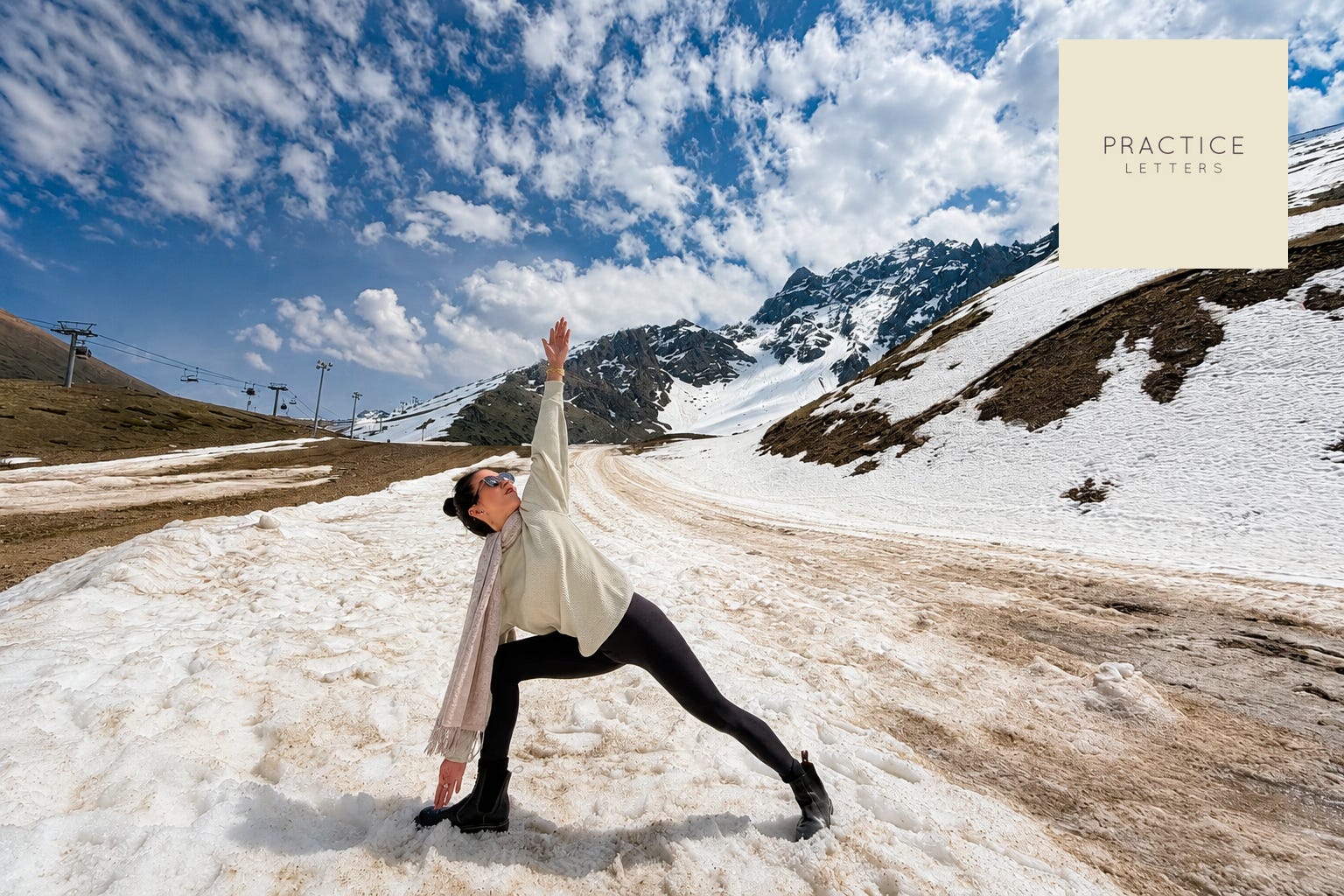
Sometimes in Bikram Yoga, the room becomes so intense that people assume more struggle means better practice.
More force.
More pushing.
More suffering.
And many students confuse the two.
Intensity and strain are not the same thing.
The Room Is Already Intense
The room is hot.
Your heart rate rises.
Your breathing changes.
Sweat pours out.
So naturally, people think:
“If I make the posture even harder, I’m working better.”
But very often, I see students adding unnecessary tension on top of an already demanding environment.
Tight jaw.
Held breath.
Shoulders gripping.
Face straining.
The body starts fighting the posture instead of working with it.
The Part Students Rush Through
One thing I notice often while teaching is how quickly students try to “achieve” the posture.
But they skip over the setup.
The feet.
The grip.
The balance.
The alignment before movement begins.
And once the setup is weak, the posture already becomes harder than it needs to be.
So people compensate with force.
More pulling.
More collapsing.
More struggle.
And they think that struggle means intensity.
Sometimes it’s just inefficiency.
Experienced Practitioners Often Look Calmer
Ironically, the practitioners who are working hardest internally often don’t look the most dramatic externally.
Their breathing is steadier.
Their effort is more organised.
There’s less unnecessary movement.
Less panic.
And because of that, they conserve more energy throughout class.
This doesn’t mean the posture feels easy.
It means the effort is being directed more intelligently.
In the paid section, I’ll share:
• how to tell the difference between productive intensity and unnecessary strain
• the subtle signs I notice immediately as a teacher when someone is forcing
• why breath changes before posture quality collapses
• how advanced practitioners distribute effort differently in postures like Standing Bow and Triangle
• and why learning to reduce unnecessary tension actually makes the practice stronger — not weaker
Because long-term Bikram practice isn’t about surviving class through force.
It’s about learning how to stay steady under intensity.
Practice Letters explores how repetition, discipline, and nervous system training reshape not just the body, but how we respond to setbacks, stress, and change over time. Paid subscribers support this work and receive deeper reflections on practice each week.
